Shocking Changes Ahead: Essential Updates on Copyright Protection Laws
📅 2026 Update: New Developments in Copyright Protection
Since the original article was published, there have been important changes in copyright laws that may affect how creative works are protected. The U.S. Copyright Office has introduced new registration options and updated existing rules.
Key updates include new group registration processes and adjustments to fee schedules, which are relevant for artists and content creators.
🎨 New Group Registration for Artwork
On February 17, 2026, the U.S. Copyright Office introduced a new registration option called GR2D. This allows artists to register between two and twenty published two-dimensional artworks with a single filing fee.
This change aims to simplify the registration process for artists who create multiple works.
📰 Updates for News Websites
On August 13, 2026, an amendment to group registration of updates to news websites was finalized. The Copyright Office defined a "news website" as a site primarily designed to provide written information on current events and updated frequently. This clarity may help news organizations better protect their content.
💵 Proposed Fee Schedule
On July 14, 2026, the Copyright Office submitted a proposed new fee schedule to Congress. The goal is to recover a portion of operational costs and adjust for inflation. This could lead to changes in registration fees in the near future.
📄 Current Fees
As of October 2026, certain registration fees have been established. For example, the electronic filing fee for a single author claiming one work is $45, while a standard electronic application costs $65. Different fees apply depending on the type of work being registered, including group registrations for published photographs and newspapers.
📌 Key Takeaways
- 🎨 New GR2D allows group registration for up to 20 artworks.
- 📰 A clear definition for "news websites" improves registration processes.
- 💵 Proposed fee changes may affect future registration costs.
- 💻 Current fees range from $45 to $500 based on claim type.
- 📄 Registration processes have updated to accommodate new types of works.
💡 Tips for Navigating Copyright Registration
Review the details of your copyright situation with your attorney. Understanding the specifics can help you navigate the registration process effectively.
📝 Understand Eligibility
To qualify for copyright protection, your work must be an original piece of authorship fixed in a tangible medium. This includes both published and unpublished works.
⏰ Pay Attention to Deadlines
If you preregister a work, remember that full registration must happen within one month after you become aware of infringement. This is crucial to maintain your legal protections.
📑 Use Online Registration
The online registration method via the electronic Copyright Office (eCO) is preferred for basic claims. It offers a more streamlined process compared to paper forms.
📄 Explore Group Registration Options
Consider group registration if you have multiple works. This can save time and money, especially for artists with several pieces to register simultaneously.
🔍 Utilize Free Resources
The U.S. Copyright Office provides various resources and FAQs online. These can be helpful in answering common questions about the registration process and copyright law.
🚪 Look for Assistance
If you need help, consider using the Intellectual Property Toolkits offered by the Copyright Office. These toolkits are designed to help users navigate the registration system more easily.
🏆 Top Services for Copyright Assistance Ranked by User Reviews (2026)
Various services can assist with copyright registration and related legal needs. Their rankings are based on Trustpilot data from October 2026. Keep in mind that scores can change, and ratings are just one part of customer feedback.
Unhappy customers often post more reviews, which can influence overall ratings.
🥇 1. LegalZoom
LegalZoom has been rated 4.6 out of 5. It is known for online legal document preparation and business formation services, making it relevant for those needing help with copyright registration. However, some users report delays in processing times and occasional customer support issues.
🥈 2. Rocket Lawyer
Rocket Lawyer holds a score of 4.5. This service offers online legal document creation and legal advice subscriptions. It is useful for individuals looking to create copyright-related documents.
Some users find the subscription model may not fit their needs and that the interface can be complex.
🥉 3. LegalShield
LegalShield has received a score of 4.4. It is known for its legal subscription services, providing access to a network of law firms. While it offers affordable legal assistance, some users have reported challenges in reaching assigned attorneys and slow callback times.
🆓 Free Resources from the U.S. Copyright Office
The U.S. Copyright Office offers free resources and FAQs for those navigating copyright registration. These tools can help you understand the registration process and provide guidance without cost.
🔎 Factors to Compare When Choosing a Service
- 🕒 Processing times for registration
- 💰 Costs associated with registration fees
- 📞 Quality of customer support
- 📄 Types of services provided related to copyright
- 🛠️ User reviews and overall satisfaction
❓ Frequently Asked Questions
🤔 What is the new GR2D registration?
The GR2D registration allows artists to register between two and twenty published two-dimensional artworks with a single filing fee. This option was launched on February 17, 2026.
📅 How do I preregister a work?
Preregistration is available for certain unpublished works likely to be infringed. You must complete full registration within one month after becoming aware of infringement and no later than three months after first publication.
📜 What are the current registration fees?
As of October 2026, electronic filing for a single author claiming one work costs $45. Standard application fees and group registration fees vary based on the type of work.
📈 What are the processing times for copyright claims?
Processing times vary based on claim complexity, whether a physical deposit is submitted, and the number of applications received. These factors can affect how long it takes to register a claim.
🔍 How can I find free resources for copyright help?
The U.S. Copyright Office offers various free resources, FAQs, and toolkits to assist users with the copyright registration process. These can be accessed online without cost.
🖥️ Is online registration preferable?
Yes, online registration through the electronic Copyright Office (eCO) is the preferred method for basic claims. It streamlines the process and is generally more efficient than paper forms.
⚖️ Recent Cases Related to Copyright
Recent court rulings have addressed copyright issues, impacting how works are protected and enforced. Understanding these rulings can help you navigate copyright law more effectively.
- Florida court affirms ruling in doctor’s licensing disputeDistrict Court of Appeal of Florida · October 21, 2021
- Federal Circuit affirms patent validity in Google caseCourt of Appeals for the Federal Circuit · October 19, 2026
- Court affirms ruling against Sean C. Roberts in licensing caseDistrict Court of Appeal of Florida · March 18, 2021
- Florida court dismisses appeal in licensing case as untimelyDistrict Court of Appeal of Florida · May 27, 2021
For more insights, browse more rulings on the news page.
End of October 2026 Update
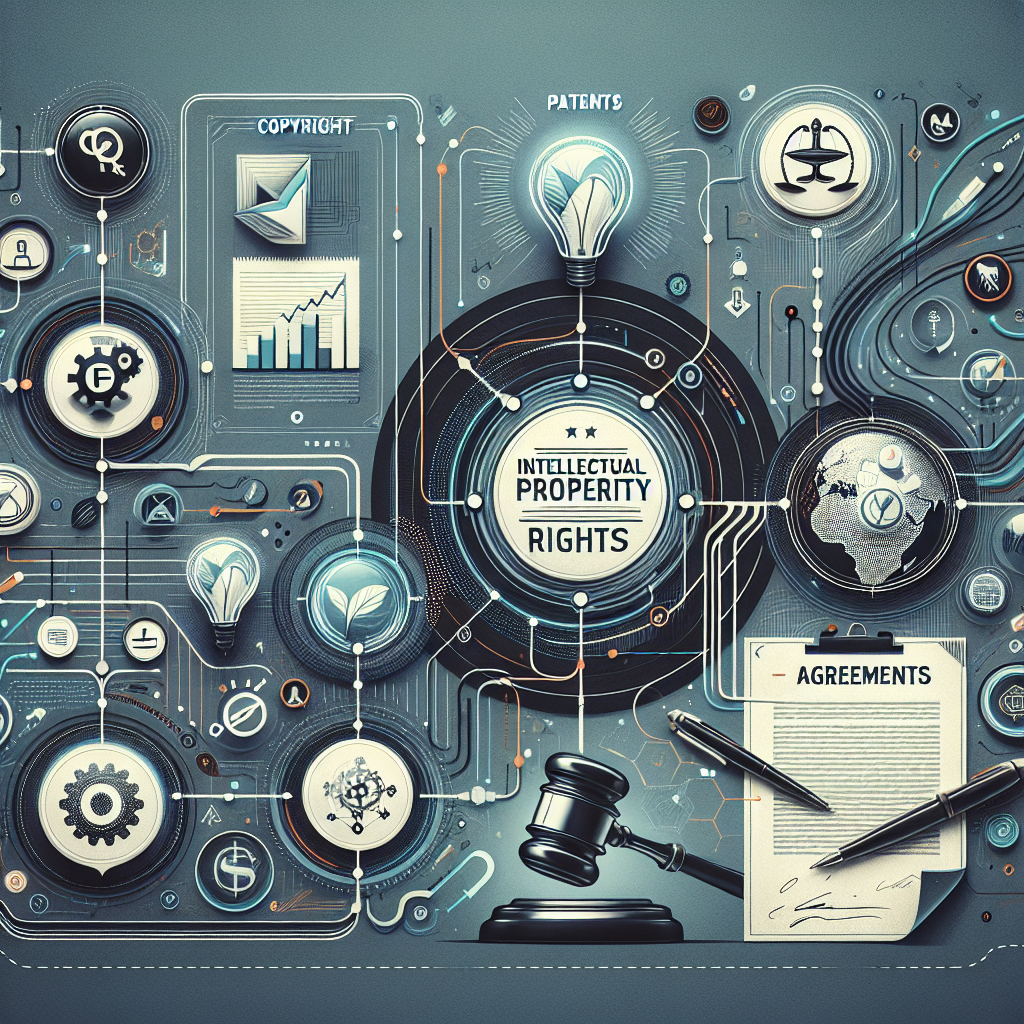
[caption id="attachment_35116" align="alignnone" width="607"] Intellectual Property[/caption]
In an era where digital content creation and distribution are at an all-time high, the landscape of copyright protection laws is undergoing significant transformations. As governments and regulatory bodies respond to the rapid evolution of technology and the internet, creators and content distributors must prepare for a new set of legal frameworks that will redefine their rights and responsibilities. This article delves into the essential updates on copyright protection laws, exploring the current landscape, the driving factors behind the changes, and the implications for various stakeholders in the digital ecosystem.
Understanding the Current Landscape of Copyright Protection Laws: An Overview
Copyright protection laws have long served as a cornerstone for safeguarding the rights of creators, ensuring that their intellectual property is not exploited without permission. Currently, these laws vary significantly across jurisdictions, with some countries offering robust protections while others lag behind. The Berne Convention and the World Intellectual Property Organization (WIPO) have established international standards, yet enforcement remains a challenge, particularly in the digital realm. As technology continues to blur the lines between creation and distribution, the existing legal frameworks are increasingly seen as inadequate, prompting calls for reform to better protect the rights of creators in a rapidly changing environment.
Key Factors Driving the Upcoming Changes in Copyright Legislation
Several key factors are propelling the need for updates to copyright legislation. First and foremost is the explosive growth of digital content consumption, which has led to an unprecedented increase in copyright infringement cases. The rise of social media platforms and user-generated content has further complicated the landscape, as traditional copyright laws struggle to address the nuances of sharing and remixing content online. Additionally, advancements in artificial intelligence and machine learning have raised questions about authorship and ownership, challenging the very foundations of copyright law. As stakeholders from various sectors advocate for reform, lawmakers are increasingly recognizing the need to modernize copyright protections to reflect the realities of the digital age.
Implications of New Copyright Laws for Creators and Content Distributors
The impending changes to copyright laws will have far-reaching implications for both creators and content distributors. For creators, enhanced protections may provide greater control over their work, allowing them to monetize their creations more effectively and combat unauthorized use. However, these changes may also introduce new complexities, such as stricter licensing requirements and potential liabilities for infringement. Content distributors, including platforms like YouTube and TikTok, will need to adapt to new compliance measures, which may involve implementing more robust content identification systems and revising their terms of service. Ultimately, the balance between protecting creators' rights and fostering an open digital environment will be a critical consideration in the upcoming legislative changes.
How the Changes Will Affect Digital Media and Online Platforms
Digital media and online platforms are poised to experience significant shifts as new copyright laws come into effect. With stricter regulations, platforms may be required to take a more active role in monitoring and managing copyrighted content, potentially leading to increased operational costs. This could result in a more cautious approach to content moderation, where platforms may err on the side of removing content to avoid liability. Additionally, the changes may encourage the development of innovative licensing models, enabling creators to collaborate more freely while still protecting their rights. As the landscape evolves, platforms will need to navigate these new legal requirements while maintaining user engagement and fostering creativity.
Navigating the Legal Landscape: What You Need to Know About Compliance
As copyright laws evolve, it is essential for creators and distributors to stay informed about compliance requirements. Understanding the nuances of the new legislation will be crucial in avoiding potential legal pitfalls. Creators should familiarize themselves with the licensing options available, including Creative Commons licenses, which can offer flexible solutions for sharing their work while retaining certain rights. Distributors, on the other hand, must invest in robust content management systems that can effectively identify and address copyright issues. Legal counsel specializing in intellectual property will become increasingly valuable as stakeholders seek guidance on navigating the complexities of the new legal landscape. Proactive compliance measures will not only mitigate risks but also foster a culture of respect for intellectual property rights.
Future Outlook: Predictions for Copyright Protection in the Next Decade
Looking ahead, the future of copyright protection is likely to be shaped by ongoing technological advancements and shifting societal attitudes toward intellectual property. As artificial intelligence continues to play a larger role in content creation, lawmakers may need to address questions surrounding authorship and ownership in a digital context. Additionally, the rise of decentralized platforms and blockchain technology could lead to new models for copyright management, offering creators more control over their work and enabling direct transactions with consumers. However, the challenge will remain in balancing the interests of creators, distributors, and consumers, ensuring that copyright laws promote innovation while safeguarding the rights of those who contribute to the creative economy. As we move into the next decade, the evolution of copyright protection will undoubtedly reflect the dynamic interplay between technology, law, and culture.
In conclusion, the impending changes to copyright protection laws represent a critical juncture for creators, content distributors, and digital platforms alike. As the legal landscape evolves to meet the demands of the digital age, stakeholders must remain vigilant and adaptable, embracing new opportunities while navigating the complexities of compliance. By understanding the implications of these changes and preparing for the future, the creative community can continue to thrive in an increasingly interconnected world.