Quick Glance At The Background of Copyright Office
📅 2026 Update: Changes in Copyright Office Procedures and Legislation
Since the original article was written, several important updates have taken place regarding the U.S. Copyright Office. These changes affect how copyright registration works and new legislation that impacts intellectual property rights.
The earlier article continues further down the page for additional context.
📜 New Group Registration Rule
On August 13, 2026, the Copyright Office made a significant change by updating the Group Registration for Updates to a News Website (GRNW). This amendment clarifies what qualifies as a "news website." Now, it must report on a variety of subjects, focusing on current events and frequently updating its content.
🌍 New Legislation Introduced
On September 24, 2026, the "Deterring Extraterritorial Foreign Exploitation of Networks Damaging Intellectual Property Act" (DEFEND IP Act) was introduced in Congress. This act aims to tackle international infringements on intellectual property, reflecting the growing concerns about copyright violations across borders.
🧠 AI and Copyright Discussions
The U.S. Copyright Office is actively studying the impact of artificial intelligence on copyright laws. This includes examining the copyrightability of AI-generated works and the use of copyrighted material in AI training.
This topic is becoming increasingly relevant as technology evolves.
⏳ Processing Times Update
The average processing time for copyright registrations is currently 4.1 months. This timeframe can vary based on several factors, including the complexity of the claim and whether a physical deposit was submitted. Keeping track of this can help applicants plan better.
📌 Key Updates Summary
- 📅 New GRNW rules clarify what constitutes a "news website."
- 🌍 DEFEND IP Act introduced to combat international IP infringements.
- 🧠 Ongoing discussions about AI's impact on copyright laws.
- ⏳ Average processing time for registrations is 4.1 months.
- 🆓 Free resources available through the U.S. Copyright Office and nonprofits.
💡 Tips for Navigating Copyright Registration
Review your specific situation with an attorney to ensure you follow the right steps for copyright registration.
🖊️ Understand Registration Benefits
Registering your work with the U.S. Copyright Office provides a public record of your ownership. It is also necessary if you plan to file an infringement lawsuit in U.S. courts.
🖥️ Use Online Registration
Consider using the electronic Copyright Office (eCO) system for online registration. This method offers a lower fee of $35 for basic claims and faster processing times compared to paper filings.
⏰ Pay Attention to Deadlines
While copyright protection is automatic upon creation, registering your work should be done promptly. Timely registration helps secure your rights and strengthens your position in case of infringement.
📜 Know the Eligibility Rules
Ensure your work is original and fixed in a tangible medium. The author must be a U.S. citizen or a foreign national residing in the U.S. for at least one year.
📋 Utilize Free Resources
Take advantage of the free resources provided by the U.S. Copyright Office. They offer online tutorials and guides to help you understand copyright laws and registration processes.
🏆 Free Options Ranked by User Reviews (2026)
In the area of copyright registration and intellectual property, there are no national paid services that met the review threshold. Therefore, this section highlights free government and nonprofit resources that can assist you.
🥇 1. U.S. Copyright Office
The U.S. Copyright Office offers a range of free online tutorials and FAQs. These resources help individuals understand the ins and outs of copyright law, making it easier for creators to navigate the registration process.
🥈 2. Creative Commons
Creative Commons provides free tools and resources for creators to understand and apply copyright licenses. Their materials can help you choose the right licensing options for your work.
🥉 3. Public Information Office
The Copyright Office has a public information office where you can get assistance. This office can answer inquiries about copyright laws and the registration process, helping you make informed decisions.
4️⃣ Online Guides and Tutorials
Various online tutorials are available for free through the U.S. Copyright Office website. These guides cover topics such as copyright basics, registration steps, and frequently asked questions.
🔎 What to Check Before Paying for Help
- 💵 Ensure the service is necessary for your needs.
- 📄 Verify that the service provider has positive reviews.
- ⚖️ Confirm that the service complies with copyright laws.
- 📞 Ask if they offer free consultations or resources.
❓ Frequently Asked Questions
❓ What qualifies as a "news website" for registration?
A "news website" must report on various subjects, primarily focusing on current events and frequently updating its content to meet the criteria set by the Copyright Office.
📅 How long does copyright registration take?
The average processing time for copyright registration is 4.1 months, but this can vary based on factors like claim complexity and applicant correspondence.
🔍 Can I register a work created by multiple authors?
Yes, if a work has multiple authors, all authors must be identified on the registration application. This ensures that all contributors are recognized in the copyright.
📝 Is registration mandatory to have copyright protection?
No, copyright protection is automatic when a work is created. However, registration is necessary if you plan to file an infringement lawsuit in the U.S.
🌐 How does international copyright work?
The U.S. participates in international treaties like the Berne Convention, which helps protect copyright across member countries. This means your U.S. copyright is recognized internationally.
⚖️ What happens if someone infringes my copyright?
If your copyright is infringed, you may be entitled to statutory damages ranging from $750 to $30,000 per work. Willful infringement can increase damages up to $150,000.
⚖️ Recent Cases Related to Copyright
Recent court rulings have highlighted ongoing issues in copyright law and its enforcement. These cases show how courts interpret copyright protections and address disputes.
- Court Denies Petition in Home Improvement Licensing CaseDistrict Court of Appeal of Florida · October 15, 2021
- Florida court affirms ruling in alcohol licensing disputeDistrict Court of Appeal of Florida · May 19, 2021
- Florida court affirms ruling in doctor’s licensing disputeDistrict Court of Appeal of Florida · October 21, 2021
- Federal Circuit affirms patent validity in Google caseCourt of Appeals for the Federal Circuit · October 19, 2026
For more details, visit the news section for more rulings on the news page.
End of October 2026 Update
The Copyright Office is a part of the Library of Congress in the United States Government. The main function of the United States Copyright Office is to maintain records of copyright registration. Copyright records show who is the original creator of copyrighted works.
If someone owns the copyright to a work, they are entitled to the benefits that may arise from that copyrighted work. The Copyright Office clearly states ownership of works once they have copyrighted them. The Register of Copyrights is the head of the Copyright Office. The first Register of Copyrights was Thorvald Solberg in 1870, and the current Register of Copyrights, Marybeth Peters, has been in office since 1994. The United States Copyright Office is located in the James Madison Memorial Building of the Library of Congress in Washington D.C.
The mission of the United States Copyright Office is to promote new ideas and creativity. Anyone is capable of creating a work that is unique and could have the ability to benefit society in some way, whether it be for audio and visual stimulation or a practical educational use.
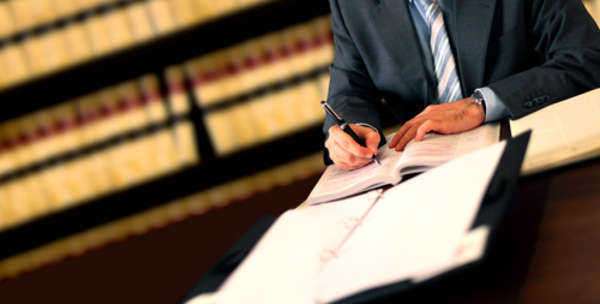
The Copyright Office consults with members of the Office as well as lawmakers and public people to create and certify copyrights. They look to protect creators and make sure no one infringes on their creativity. The Copyright Office is not an organization out to create as much profit as possible, but rather they only use fees to raise money to maintain necessary production costs.
The creativity of the American people has helped make the Library of Congress the largest national library in America. It has a collection of more than 126 million books, computer programs, artworks, sound recordings, and many other copyrighted material. The Copyright Office is one of the most important aspects of creativity and ownership existing in the United States.