Copyright Protection Background Quick Overview
📅 2026 Update: Recent Developments in U.S. Copyright Law
Since the original article was published, there have been significant changes in U.S. copyright law impacting artists and creators. The U.S. Copyright Office has introduced new registration options and updated fees that may affect how creators protect their work.
Readers can find more detailed information in the original article further down this page.
🎨 Group Registration for Two-Dimensional Artwork (GR2D)
On February 17, 2026, the Group Registration for Two-Dimensional Artwork (GR2D) became effective. This new option allows artists to register between two and twenty published two-dimensional artworks with a single application and fee. This change simplifies the registration process for multiple works, making it easier and more affordable for artists to protect their creations.
💰 Updated Registration Fees
The registration fees for copyright have been updated. For electronic filing, the cost for a single author registering one work is now $45. The fee for the new GR2D is set at $85, which covers multiple artworks.
Other group registration options have varying fees, with prices ranging from $55 to $95 depending on the type of work being registered.
📅 Important Legislative Changes
On December 18, 2025, the National Defense Authorization Act for Fiscal Year 2026 included provisions impacting copyright law. These changes may influence how copyright laws are enforced and adapted in future scenarios. Keeping informed about these legislative updates is essential for anyone involved in creative work.
⚖️ DMCA Rulemaking Proceedings
The U.S. Copyright Office initiated its tenth triennial rulemaking proceeding under Section 1201 of the DMCA on June 9, 2026. This process seeks public input on potential exceptions to rules against circumventing technological measures that protect copyrighted works.
This could have implications for digital creators and consumers in the near future.
📌 Key Points Summary
- 🎨 New options for artists with GR2D.
- 💰 Updated fees for copyright registration.
- 📅 Legislative changes affecting copyright law.
- ⚖️ Ongoing DMCA rulemaking proceedings.
💡 Tips for Navigating Copyright Issues
Reviewing your specific situation with an attorney can clarify your copyright needs and options. Here are some practical tips to consider regarding copyright protection.
📝 Understand Your Copyright Registration Options
Familiarize yourself with different registration options, such as the new GR2D. This can help you save time and money when registering multiple artworks. Knowing your options means you can choose the best path for your creative work.
📈 Keep Track of Publication Dates
When registering your works, ensure you have accurate publication dates. This is particularly important for the GR2D registration, which requires all works to be published within the same calendar year. Proper documentation supports your claim to copyright protection.
💻 Utilize Online Registration
Take advantage of online registration services for copyright. The U.S. Copyright Office offers an efficient online application process, making it easier to submit your works.
This method is often quicker than traditional paper filing.
📅 Stay Updated on Legislative Changes
Monitor changes in copyright laws and regulations. Updates can impact how you protect your work and the fees associated with registration. Staying informed helps you adapt your strategies as needed.
🛡️ Consider Copyright Protection Services
Look into online copyright protection services if you need additional support. These platforms can help with proof of ownership and provide timestamps for your works. Evaluating these services can enhance your protection strategy.
🏆 Services Ranked by User Reviews (2026)
This section covers various services related to copyright and intellectual property. Each service has been evaluated based on Trustpilot data from October 2026. Ratings and reviews can vary, and it’s important to research what fits your needs.
🥇 1. Rocket Lawyer
Rocket Lawyer holds a Trustpilot score of 4.5. This service is known for its online legal document creation and legal advice services. It provides assistance with intellectual property, making it relevant for copyright protection.
Some users find the subscription model challenging, and navigation on the platform can be complex.
🥈 2. Protect My Work
Protect My Work has a rating of 4.9. It specializes in online copyright protection and offers proof of ownership services along with timestamped certificates. This service is particularly beneficial for artists looking to secure their work.
However, some users have reported issues with certificate verification and occasional delays in certificate issuance.
🥉 3. LegalZoom
LegalZoom has a Trustpilot score of 4.6. Known for its legal document preparation and business formation services, it also offers intellectual property registration. While many users find it helpful, some report delays in processing times and issues with customer service responsiveness.
🆓 Free Copyright Registration Options
The U.S. Copyright Office provides free resources for copyright registration. Artists can utilize the official website to access information and guidelines for registering their works.
Nonprofits may also offer assistance in navigating the registration process.
🔎 Comparison Points When Choosing Services
- 📄 Service offerings and specializations.
- ⭐ Trustpilot scores and review counts.
- 🕒 Processing times and customer service.
- 💰 Cost structures and membership options.
❓ Frequently Asked Questions
🤔 What is the Group Registration for Two-Dimensional Artwork (GR2D)?
GR2D allows artists to register between two and twenty published two-dimensional artworks with a single application. This option became effective on February 17, 2026.
📅 How much does it cost to register a copyright?
For electronic filing, the fee for a single author registering one work is $45. The GR2D registration fee is $85, covering multiple works published within the same year.
⚖️ What recent legislation affects copyright law?
The National Defense Authorization Act for Fiscal Year 2026, enacted on December 18, 2025, includes provisions related to copyright law. These changes may impact enforcement and adaptation of copyright laws in the future.
💻 How can I register my copyright online?
You can register your copyright online through the U.S. Copyright Office's website. The online application process is designed to be efficient and user-friendly.
📈 Why is it important to track publication dates for my work?
Accurate publication dates are crucial for copyright registration, especially for the GR2D option, which requires works to be published within the same year. This documentation supports your copyright claims.
🛡️ What services can help with copyright protection?
Various services are available to assist with copyright protection, including online platforms that provide proof of ownership and timestamped certificates. Evaluating these services can enhance your protection strategy.
⚖️ Recent Court Cases in Copyright Law
Recent court rulings highlight ongoing developments in copyright law. These cases emphasize the importance of protecting intellectual property and navigating complex legal issues.
- Court rules in favor of VIP Products in trademark caseCourt of Appeals for the Ninth Circuit · August 4, 2026
- Court Affirms Judgment in Nelson v. MillerKnoll Trademark CaseCourt of Appeals for the Sixth Circuit · July 7, 2026
- Court rules on licensing dispute involving Tri-County RespiteCommonwealth Court of Pennsylvania · August 3, 2026
- Court Reverses Trademark Ruling in Cheerleading DisputeCourt of Appeals for the Eleventh Circuit · June 24, 2026
For more recent rulings, feel free to browse more rulings on the news page.
End of October 2026 Update
A copyright is a set of exclusive rights that is granted to a person upon his or her creation of an original work. These rights can include the right to copy that work, distribute it, and adapt the work as well. As a copyright holder, the author also has the right to license the copyright, transfer it, or assign it to another party.
The copyright is only valid for a certain period of time before it is automatically released to the public domain. When works reach the public domain, it means that they are no longer under a copyright because the copyright has expired.
The copyright law is an integral part of American law intended to enforce the general notion that an author should have sole ability to reap the benefits of his or her hard work and creativity for at least a period of time. Without copyright law, a person's labor into creative thinking would not benefit the creator and acknowledgment would go unnoticed. Copyright protection and copyright law both prevent this from occurring.
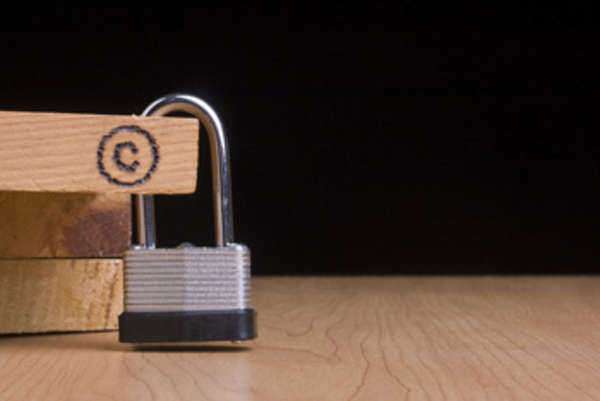
Copyright law emerged in Great Britain from the invention of the printing press, which made the duplication of books and other works far easier than before. As a result, in the 15th and 16th centuries, governments began placing control over printers that existed across Europe. They were required to have licenses to trade and produce any books to be sold. In typical cases, a printer would be given exclusive rights to a certain book to be printed and sold for a period of several years before it finally expired. This was the origin of the modern copyright law in effect today.
Today, copyright laws are constantly changing and evolving alongside technology. With the emergence of the Internet and other electronic creative mediums, copyright law was needed to cater to these specific frontiers. Copyrights have been extended from literary, dramatic, and musical works to computer software and Internet-based works.
The Copyright Protection Office in the United States has been around for decades to promote creativity among unique thinkers in all creative mediums by establishing and maintaining a working national copyright system. Their services have helped to enforce copyright law and allowed for a standardized system of registering, licensing and transferring copyrights.