Make Sure You Know the One Year Rule
📅 2026 Update: Changes in Copyright and Patent Laws
Since the original article was published, there have been important updates in copyright and intellectual property laws. These changes affect registration, fees, and eligibility for patents and copyrights. The earlier article continues further down the page for more details.
📰 Generative AI and Design Patents
On March 31, 2026, the U.S. Patent and Trademark Office (USPTO) released an IP Policy Bulletin. This bulletin discusses the challenges that generative AI presents to design patent law.
It highlights how AI-generated designs may affect patent eligibility and enforcement.
📜 New Copyright Legislation
The National Defense Authorization Act for Fiscal Year 2026 was enacted on December 18, 2025. This act includes amendments to various intellectual property laws, impacting both patents and copyrights. These updates may influence how intellectual property is protected and enforced.
💲 Adjusted Patent Fees
Starting January 19, 2025, the USPTO updated its patent fee schedule. This includes changes in fees for small and micro entities. These fee adjustments aim to support a more efficient patent system.
⏳ Shortened Patent Application Delays
Effective August 14, 2026, the USPTO revised its requirements for delays in patent applications. Now, additional information is required for delays exceeding one year, down from a two-year limit. This change may help streamline the patent application process.
📅 Key Deadlines for Applications
Patent applications must be filed within one year of the first public disclosure of the invention. While copyright protection is automatic upon creation, registering a work with the Copyright Office is essential for legal benefits.
📌 Key Points to Remember
- 🤖 AI impacts design patents.
- 📜 New laws affect copyrights and patents.
- 💲 Patent fees have been adjusted.
- ⏳ Shorter timeline for patent delays.
- 📅 Timely application filing is crucial.
💡 Tips for Managing Your Copyright and Patent Needs
Review the specifics of your situation with your attorney.
📝 Understand Eligibility Requirements
To obtain a patent, an invention must be novel, non-obvious, and useful. Make sure you understand these criteria before applying.
📄 Use Online Registration Systems
Both the USPTO and the Copyright Office offer online systems for patent and copyright registrations. These systems simplify the application process and provide detailed instructions.
🕒 Monitor Processing Times
Processing times for patent and copyright applications can vary. Check the USPTO and Copyright Office for current processing times to manage expectations.
📅 Be Aware of Deadlines
Remember that patent applications must be filed within one year of public disclosure. Registration of copyrights, while automatic, is beneficial for legal protection.
💰 Explore Available Resources
Utilize free resources from the USPTO and the Copyright Office. They provide guides and webinars that can help clarify the application process.
📚 Group Registration Options
Recent updates allow for group registration of artworks and news website updates. This can save time and costs if you have multiple works to register.
🏆 Services Ranked by User Reviews (2026)
This section highlights services related to intellectual property registration and legal assistance. These services fit the article's topic by helping individuals navigate copyright, trademark, and patent laws. The order follows Trustpilot data from October 2026, noting that scores can change over time.
Ratings reflect user experiences, but unhappy customers often leave more feedback, so it’s important to consider the overall picture.
🥇 1. LegalZoom
LegalZoom has been rated 4.6 out of 5 stars. This service is known for business formation, intellectual property registration, and estate planning. Reviewers often mention the convenience of online services, but some customers have noted frustrating delays and communication gaps.
🆓 Free Resources from Government Agencies
The USPTO and U.S. Copyright Office provide free resources for applicants. These include guides, webinars, and contact centers that can assist with questions related to patents and copyrights.
🔎 Things to Compare When Choosing a Service
- 📄 Application processing times
- 💲 Fees for different entities
- 📞 Availability of customer support
- 📝 Types of intellectual property covered
- 📚 Quality of educational resources provided
❓ Frequently Asked Questions
❓ What is the role of generative AI in design patents?
Generative AI poses unique challenges to design patent law, as discussed by the USPTO's recent bulletin. This involves understanding how AI-generated designs fit into existing legal frameworks.
🕒 How long does it take to process a patent application?
Processing times for patent applications vary based on complexity and application type. The USPTO provides current processing times that applicants can reference.
💰 Are there discounts available for patent fees?
Yes, the USPTO's updated fee schedule includes discounts for small and micro entities. These adjustments support more equitable access to the patent system.
📅 What are the benefits of registering a copyright?
While copyright protection is automatic, registering a work provides legal benefits. This includes the ability to sue for statutory damages and attorney's fees.
🖼️ What is group registration for artwork?
Group registration allows artists to register multiple two-dimensional artworks with one application. This simplifies the process and reduces costs if the works were published within the same year.
📜 How can I find help with copyright or patent questions?
Both the USPTO and Copyright Office offer free resources. They provide guides and webinars to help individuals understand their rights and navigate the application process.
⚖️ Recent Court Cases in Copyright and Patent Law
Recent court rulings have focused on copyright and patent law, particularly regarding registration and enforcement issues. These cases are relevant to understanding how laws apply in real-world situations.
- Court affirms trademark ruling in Deltona v. NOCO caseCourt of Appeals for the Eleventh Circuit · August 4, 2026
- Court rules in favor of VIP Products in trademark caseCourt of Appeals for the Ninth Circuit · August 4, 2026
- Court Affirms Judgment in Nelson v. MillerKnoll Trademark CaseCourt of Appeals for the Sixth Circuit · July 7, 2026
- Court rules on licensing dispute involving Tri-County RespiteCommonwealth Court of Pennsylvania · August 3, 2026
Explore more recent rulings for updates and insights in the field. Check out more rulings on the news page.
End of October 2026 Update
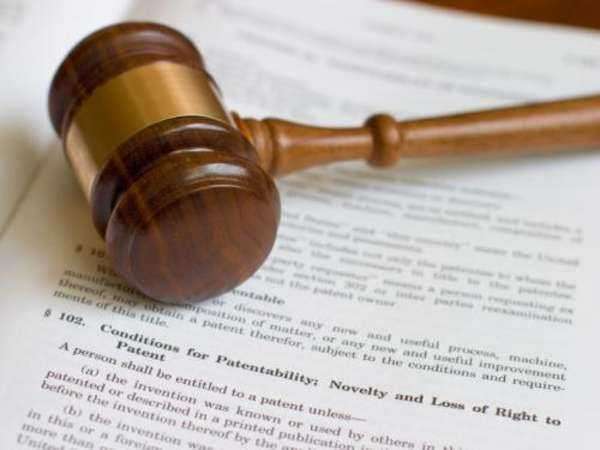
The One Year rule is an aspect of U.S. patent law. These rules are an aspect of how the inventors of original creations can obtain intellectual property protection, specifically toward the amount of public exposure and use an invention can have before this form of protection is sought.
Moreover, the One Year rule provides for a grace period during which people can experiment with the practical utility of their invention, and thereby determine whether or not it will be worth the time, expense, and effort involved in securing patent protection. Contact a patent lawyer to acquire legal advice and assistance.
As such, the One Year rule prohibits the authors of inventions from acquiring patent protection if they do so after a year. These rules can pertain either to the original invention at stake being used, sold, or offered for sale by the inventor or any other person in public, or to the publication of the invention.