Quick Overview of Copyright Office Forms
📅 2026 Update: Changes in Copyright Office Forms and Regulations
Since the original article was published, there have been several important updates related to copyright registration and related laws. These changes reflect ongoing efforts to clarify rules and adapt to new technologies. The earlier article continues further down the page, providing foundational information on copyright processes.
📰 New Definitions in News Website Registration
On August 13, 2026, the U.S. Copyright Office clarified the definition of a "news website" under the Group Registration for Updates to a News Website (GRNW). Now, these websites must report on a variety of subjects, primarily focusing on current events and frequently updating their content.
🌍 Legislative Developments on Intellectual Property
On September 24, 2026, the "Deterring Extraterritorial Foreign Exploitation of Networks Damaging Intellectual Property Act" (DEFEND IP Act) was introduced in both the Senate and the House. This legislation aims to tackle international copyright infringement, which is crucial for creators and businesses operating globally.
🤖 New Laws Addressing AI and Copyright
The introduction of the "Transparency and Responsibility for Artificial Intelligence Networks Act" (TRAIN Act) on January 22, 2026, sets guidelines for AI systems regarding transparency and accountability. Additionally, the "Copyright Labeling and Ethical AI Reporting Act," introduced on February 10, 2026, mandates ethical reporting for AI-generated content.
⏳ Updated Processing Times
The average processing time for copyright registrations remains around 4.1 months. Factors like the complexity of the claim and whether a physical deposit was submitted can influence how long it takes to process a registration.
📌 Key Takeaways
- Group Registration for Updates: New definitions for news websites.
- Legislative Action: New laws introduced to combat international IP theft.
- AI Regulations: New acts focus on transparency in AI and copyright.
- Processing Times: Average remains at 4.1 months but can vary.
💡 Tips for Navigating Copyright Registration
Review your situation with an attorney to ensure you understand your rights and obligations regarding copyright registration.
📄 Understand Your Eligibility
To register a copyright, your work must be original and fixed in a tangible medium. Ensure that you meet these basic eligibility rules before applying.
💻 Choose the Right Filing Method
Consider using the electronic Copyright Office (eCO) system for online registration. It offers lower fees and faster processing times compared to paper filing.
📅 Register Early
While copyright protection is automatic upon creation, registering your work provides a public record. This step is crucial if you need to file an infringement suit later.
📞 Use Available Resources
Take advantage of free resources from the U.S. Copyright Office, such as online tutorials and guides. These tools can help clarify the registration process and copyright law.
📰 Stay Informed
Keep up with new legislation affecting copyright and intellectual property. Laws are evolving, especially regarding technology and AI, so staying informed is essential for creators.
🏆 Free Options Ranked by User Reviews (2026)
No paid national services met the review threshold for this topic. Instead, several free government and nonprofit resources provide valuable help with copyright registration and understanding copyright law.
🥇 1. U.S. Copyright Office Resources
The U.S. Copyright Office offers a wealth of free online tutorials, FAQs, and guides. These resources help users understand copyright law and navigate the registration process effectively.
🥈 2. Creative Commons
Creative Commons provides free resources and tools for creators. These resources assist in understanding and applying copyright licenses, making it easier for users to share their work legally.
🥉 3. Public Information Office
The U.S. Copyright Office's public information office is available for inquiries. Users can reach out via phone or online to ask questions about copyright registration and related processes.
🔎 Before Paying for Help
- 📜 Verify the credentials of the service provider.
- 🕵️♂️ Check for user reviews and testimonials.
- 💰 Compare fees against free resources.
- 📞 Confirm what services are included.
❓ Frequently Asked Questions
❓ What is the average cost for copyright registration?
The average cost for electronic filing of a standard application is $65. For paper filing, the cost is also $125.
🔍 How long does copyright protection last?
For works created on or after January 1, 1978, copyright lasts for the life of the author plus 70 years. This duration can vary for works created for hire.
📅 Is there a deadline to register my work?
There is no strict deadline, but registering your work quickly is advisable. It helps establish a public record and is necessary for infringement lawsuits.
🌐 Can I register works created by multiple authors?
Yes, all authors must be identified in the registration process if the work is created by multiple authors. This applies regardless of whether the work is created for hire.
📖 What is fair use?
Fair use allows limited use of copyrighted works without permission for purposes like criticism, news reporting, teaching, or research. It is important to understand the limitations of fair use.
🔒 What penalties exist for copyright infringement?
Infringement can result in statutory damages ranging from $750 to $30,000 per work. Willful infringement increases the maximum damages to $150,000 per work.
⚖️ Recent Cases on Copyright Issues
Recent court rulings have significant implications for copyright registration and enforcement. These decisions reflect how courts interpret copyright law, particularly in light of new technologies and user-generated content.
- Fourth Circuit Rules on Gilead's Trademark Case Against ImportersCourt of Appeals for the Fourth Circuit · August 13, 2026
- Oregon Court Rules on Short-Term Rental Licensing DisputeCourt of Appeals of Oregon · August 12, 2026
- Court Denies En Banc Review in Design Patent CaseCourt of Appeals for the Federal Circuit · August 11, 2026
- Court rules against Ismael Mateo Ramírez in licensing caseTribunal De Apelaciones De Puerto Rico/Court of Appeals of Puerto Rico · June 30, 2026
Explore more recent rulings in the news section for further insights on copyright issues. more rulings on the news page.
End of October 2026 Update
All copyright forms are public and can be made available upon request. Copyright records and indexes are available for free. Alternatively, a fee can be charged to cover the cost of production. Any records held by the copyright office are to be held and distributed based on the rules and regulations followed by the Copyright Office. These public copyright forms and indexes are available for inspection by the public.
Catalog of Copyright Entries
The Copyright Office periodically publishes catalogs of all copyright entries. The catalogs are organized based on what type of work is being copyrighted and the function it may serve. The Copyright Office formulates its own opinion on what information should be published regarding each copyright registration. Practicality and usefulness are two of the main factors examined to determine how much and what specific information will be published for each copyright registration.
Other Forms
The Copyright Office must furnish all copyright forms requesting a copyright for a work as well as any forms explaining the functions and any other general information pertaining to the Copyright Office. The Copyright Office has the power and authority to publish any other information such as indexes, bibliographies and any other material that may be of value to the public.
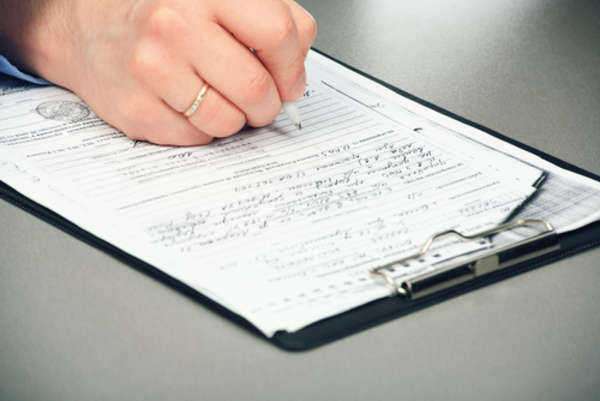
Distribution of Publications
All publications made by the Copyright Office are sent to depository libraries. Any copyright forms that are not free may be made available to the public to purchase for a fee to cover the cost of production.